
Introduction
Learning to program can seem daunting at first, but with the right approach and perseverance, anyone can do it. Whether you are a complete beginner or have some basic knowledge, this guide will help you start your journey into the fascinating world of programming.
Step 1: Define your goals
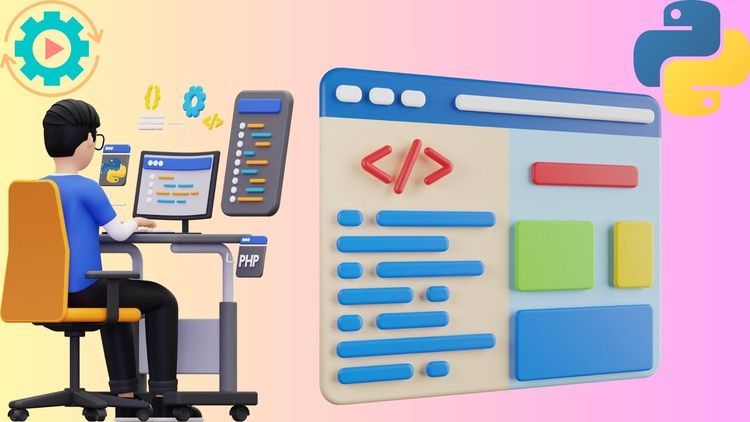
Before you start learning to code, it is important to define your goals. What do you want to achieve with programming? Do you want to create websites, mobile apps, video games, or simply learn the basics of computer logic?
Step 2: Choose a programming language
There are many different programming languages, each with its own strengths and weaknesses. For beginners, it is generally recommended to choose a language that is easy to learn and has a large community of users. Popular languages for beginners include Python, JavaScript, Java, and C++.
Step 3: Find learning resources
There are many resources available for learning programming, from online books and tutorials to intensive courses and training. Here are a few popular options:
- Online books and tutorials:
- Codecademy: https://www.codecademy.com/
- FreeCodeCamp: https://www.freecodecamp.org/
- W3Schools: https://www.w3schools.com/
- Intensive courses and training:
- Udemy: https://www.udemy.com/
- Coursera: https://www.coursera.org/
- EdX: https://www.edx.org/
Step 4: Practice regularly
The best way to learn to program is to practice regularly. Try to dedicate at least 30 minutes per day to programming, even if it’s just to do simple exercises.
Step 5: Don’t be afraid to make mistakes
Making mistakes is a natural part of the learning process. Don’t be afraid to make mistakes and correct them. It is by making mistakes that you will learn the most.
Conclusion
Learning to program can be an enriching and stimulating experience. With the right approach and perseverance, you can master the basics of programming and start creating your own programs.
Additional tips
- Join a community of programmers. There are many online and offline communities of programmers where you can ask questions, get help, and share your knowledge with others.
- Contribute to open source projects. This is a great way to practice your skills and contribute to real-world projects.
- Don’t give up. Learning to program can take time and patience. Don’t get discouraged if you don’t understand something right away. Keep practicing and you will eventually get there.